


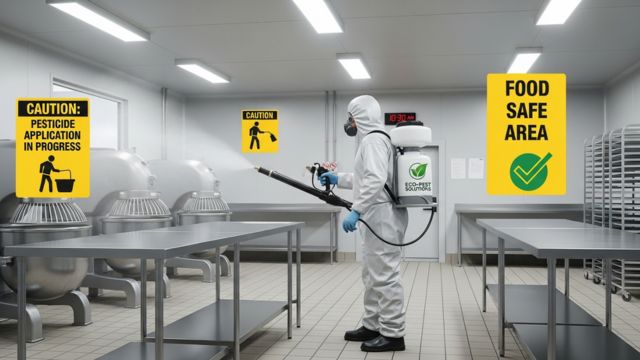
Understanding Integrated Pest Management
Integrated Pest Management (IPM) is a comprehensive approach to controlling pests in food businesses, including restaurants, takeaways, and catering facilities. Unlike traditional methods that rely heavily on chemicals, IPM focuses on a combination of prevention, monitoring, and control measures to reduce pest activity effectively. For UK food businesses, implementing IPM is essential not only for maintaining hygiene standards but also for meeting regulatory requirements. A well-structured IPM program ensures a safe environment for staff and customers while protecting the reputation of the establishment.
The Importance of IPM for Food Businesses
Pests such as rodents, cockroaches, and flies pose significant threats to food businesses. They can contaminate food, damage property, and lead to health violations during inspections. A pest control restaurant program based on IPM principles addresses these risks systematically. By prioritizing prevention and ongoing monitoring, food businesses can minimize infestations and reduce reliance on chemical treatments. This proactive approach is more cost-effective over time and helps maintain compliance with UK food safety regulations.
Conducting a Thorough Site Assessment
The foundation of an effective IPM program is a detailed assessment of the premises. This involves identifying potential pest entry points, high-risk areas, and existing infestations. Food preparation areas, storage rooms, and waste disposal zones are often the most vulnerable. Understanding the patterns of pest activity allows food businesses to implement targeted interventions. A pest control restaurant strategy that begins with a comprehensive site assessment can prevent problems before they escalate, saving both time and money.
Prevention as the Primary Strategy
Preventing pests from entering a food establishment is far more effective than treating infestations after they occur. IPM emphasizes environmental management, such as sealing cracks, repairing leaks, and maintaining proper ventilation. Regular cleaning schedules, proper waste management, and correct storage of food items are also crucial preventive measures. In a pest control restaurant context, staff should be trained to recognize signs of pest activity and maintain strict hygiene practices. By creating an environment that is unattractive to pests, businesses can significantly reduce the likelihood of infestations.
Monitoring and Early Detection
Continuous monitoring is a key component of IPM. Setting up traps, inspection routines, and record-keeping systems helps identify pest activity at an early stage. Monitoring allows food businesses to react promptly before minor issues become major problems. For instance, sticky traps for insects or rodent bait stations placed strategically can reveal trends and hotspots. A pest control restaurant program that includes routine monitoring ensures that interventions are timely, targeted, and minimally disruptive to operations.
Targeted Control Measures
When prevention and monitoring identify a problem, IPM uses targeted control measures rather than blanket chemical treatments. These measures may include mechanical controls like traps, biological controls such as beneficial insects, and the judicious use of pesticides when necessary. In the UK, food businesses must comply with strict regulations regarding chemical use, making IPM an ideal solution. By focusing on precision and sustainability, a pest control restaurant approach can eliminate pests effectively while minimizing risks to human health and the environment.
Staff Training and Awareness
The success of an IPM program depends heavily on staff awareness and participation. Employees must understand their role in pest prevention and be able to identify early signs of infestation. Training should cover proper cleaning procedures, waste management, and reporting protocols. A well-informed team acts as the first line of defense, complementing other IPM measures. In a pest control restaurant setting, regular staff training ensures that everyone is aligned with the establishment’s hygiene and safety objectives.
Record-Keeping and Continuous Improvement
Maintaining detailed records of inspections, pest sightings, and control actions is essential for evaluating the effectiveness of an IPM program. Documentation allows food businesses to identify trends, assess the success of interventions, and make data-driven improvements. Continuous assessment and adaptation are central to the IPM philosophy, ensuring long-term pest management success. A pest control restaurant strategy that incorporates regular reviews can respond to seasonal changes and evolving pest challenges proactively.
Benefits of Implementing IPM
Adopting an IPM approach provides multiple benefits for UK food businesses. It enhances food safety, ensures compliance with regulatory standards, reduces long-term costs, and protects the business’s reputation. Furthermore, it supports sustainability by minimizing chemical use and promoting environmentally responsible practices. For restaurants and food outlets, IPM is not just a regulatory requirement but a strategic investment in operational excellence and customer trust.
Conclusion
Integrated Pest Management offers UK food businesses a holistic, effective, and sustainable approach to pest control. By combining prevention, monitoring, targeted interventions, and staff involvement, establishments can maintain a safe and hygienic environment. Implementing a pest control restaurant program rooted in IPM principles ensures compliance with regulations, minimizes pest-related risks, and protects both customers and staff. In today’s competitive food industry, IPM is an indispensable strategy for long-term success and operational resilience.